The fleet
What we run
The Jeep, the trailer we built, the project truck, and the gear that actually comes out of the box — a working equipment list from the rigs we film with.
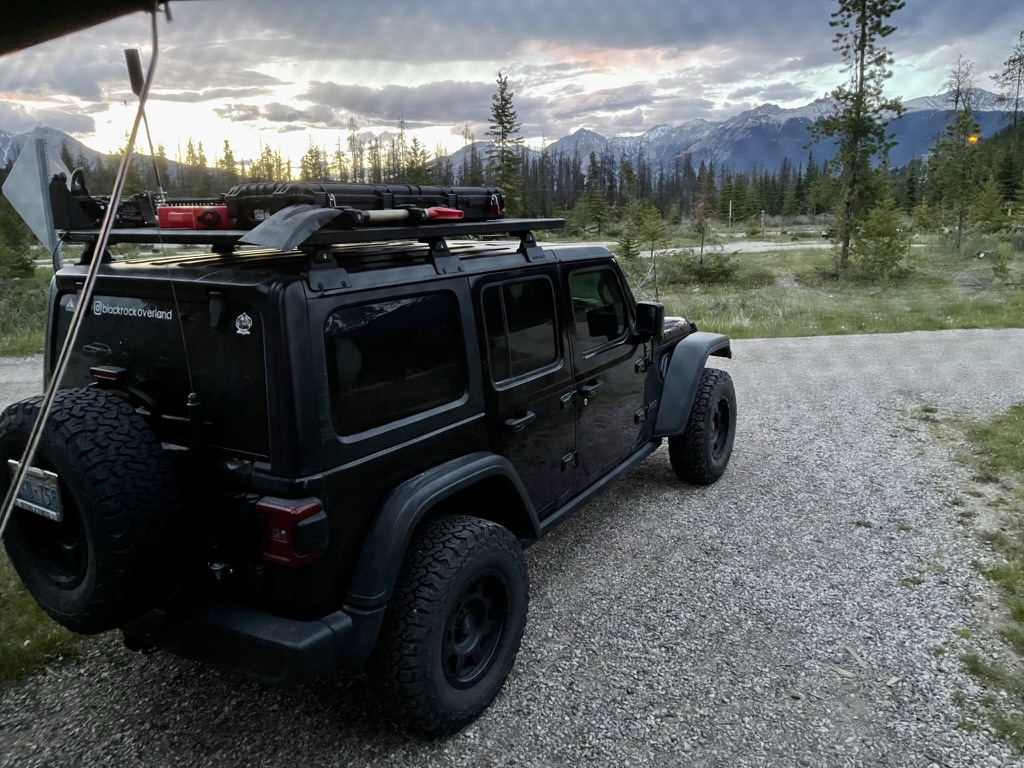
Primary
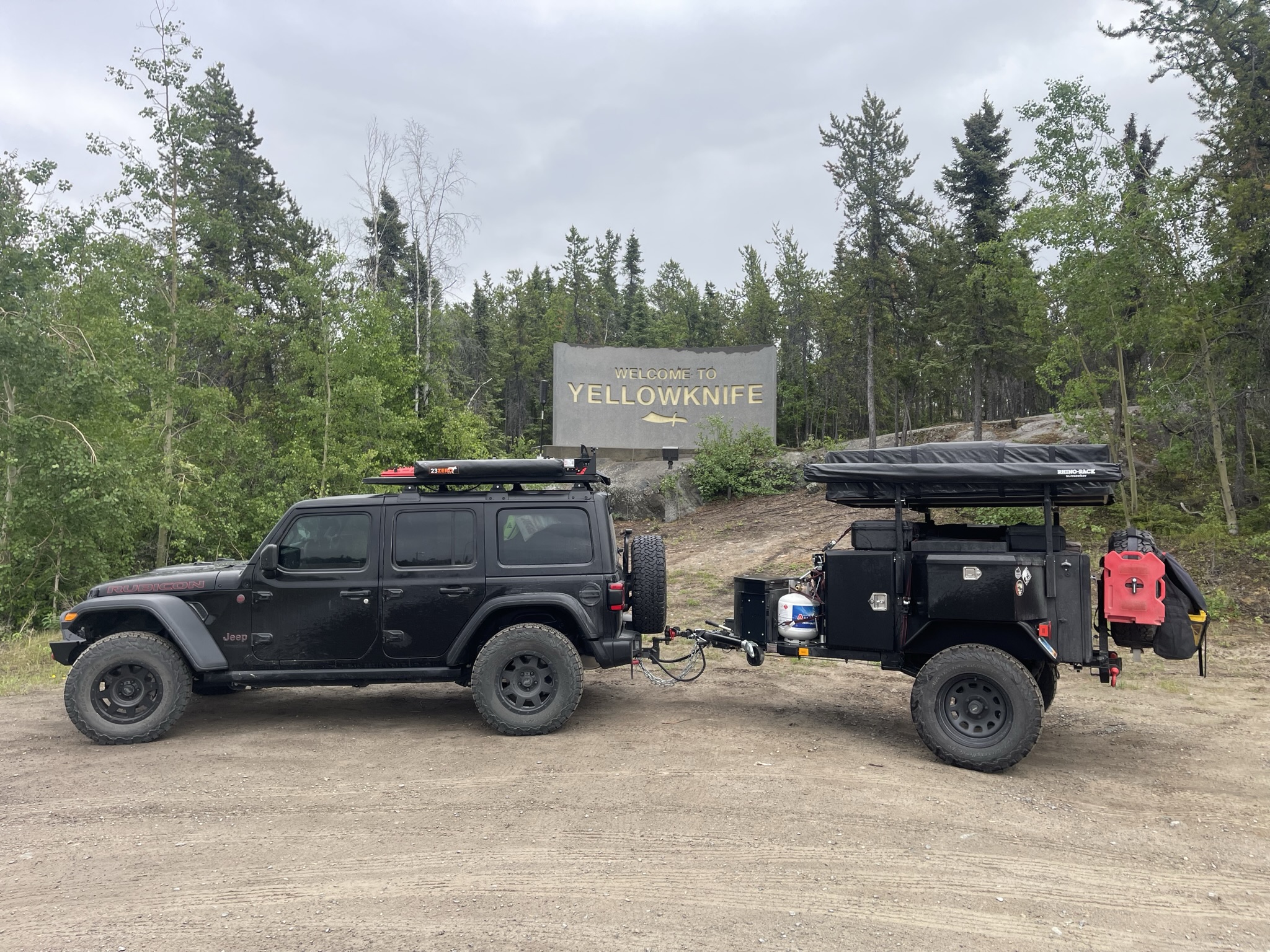
The Jeep
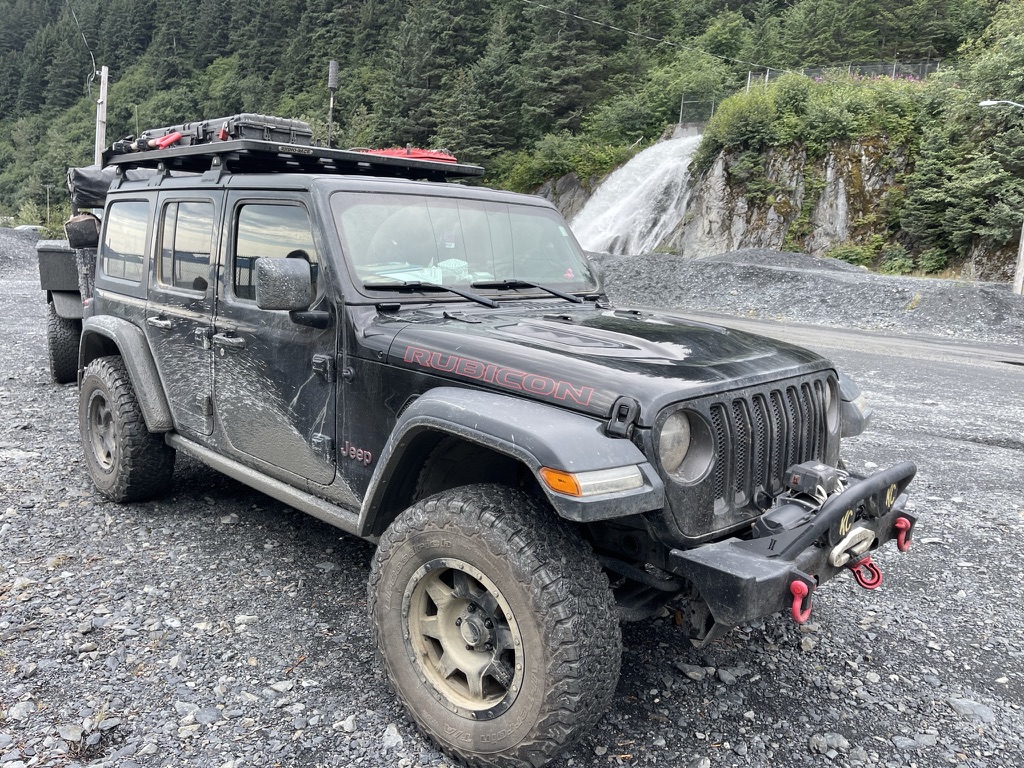
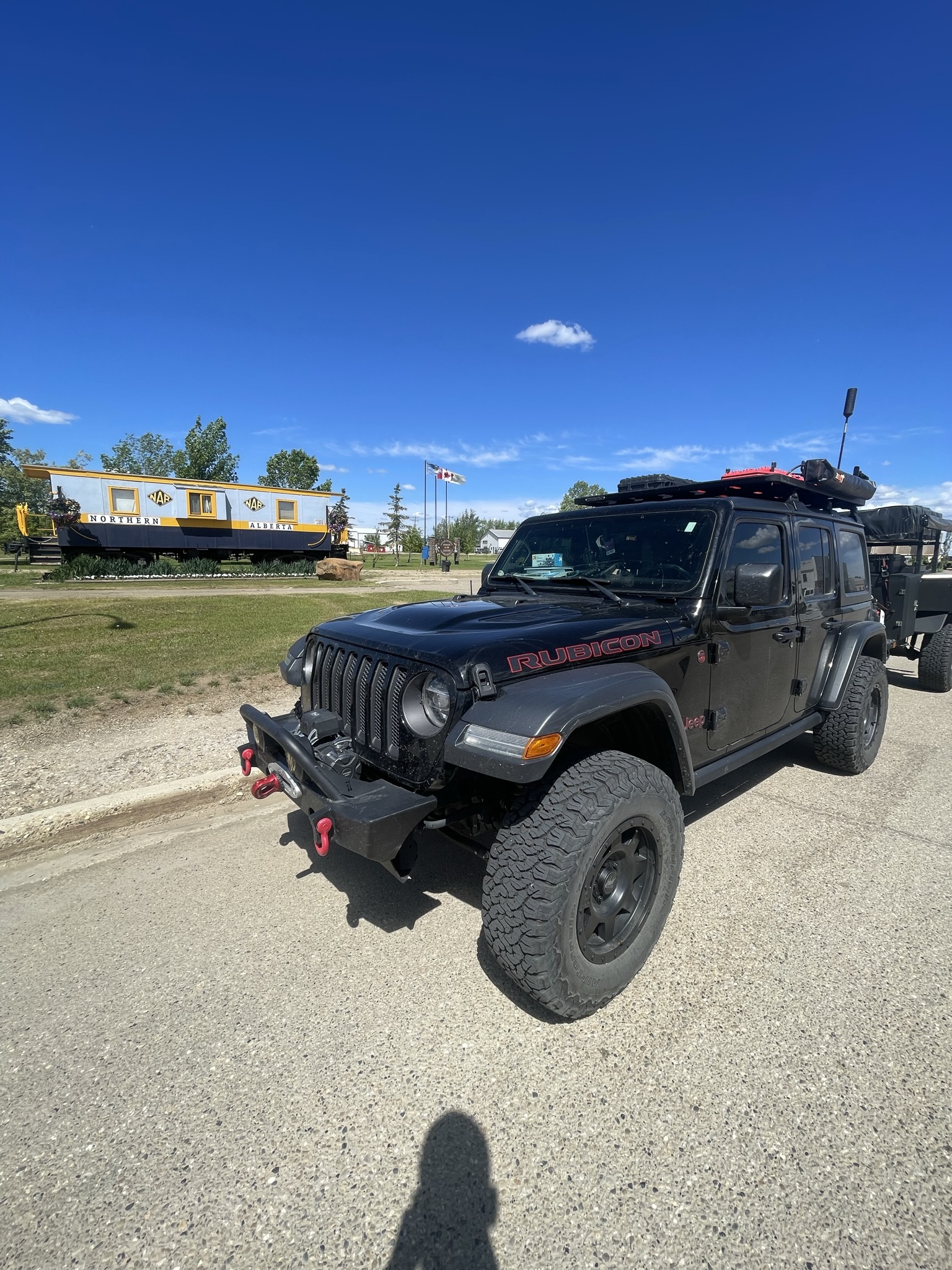
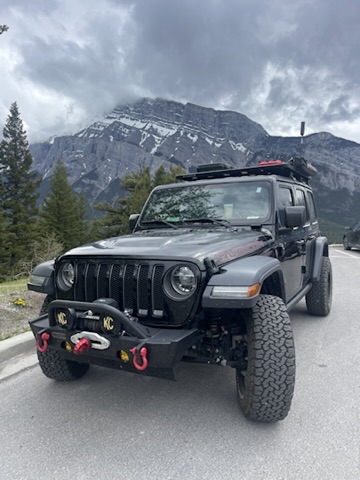
A Rubicon leaves the factory with the hardware most builds spend years buying — lockers at both ends, a 4:1 case, a disconnecting front bar. It stays short, it turns around where a full-size cannot, and everything that makes camp comfortable rides behind it instead of on it.
- Platform
- 2018 Jeep Wrangler Rubicon JL Unlimited
- Engine
- 3.6 L Pentastar V6
- Transfer case
- Rock-Trac 4:1
- Lockers
- Tru-Lok front and rear
- Sway bar
- Electronic front disconnect
- Axles
- Dana 44 front and rear · 4.10
- Carrying
- Roof rack · rear-mount full-size spare
- Recovery
- Winch · rated recovery points
- Comms
- HAM + HF Data
Built in the garage
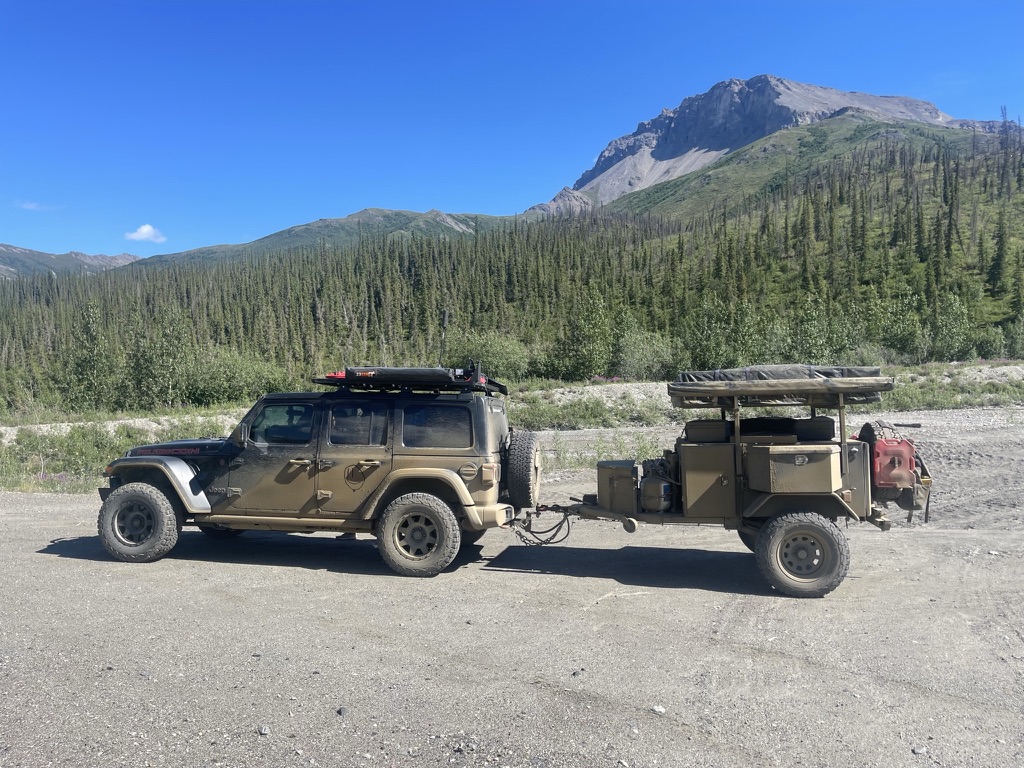
The trailer
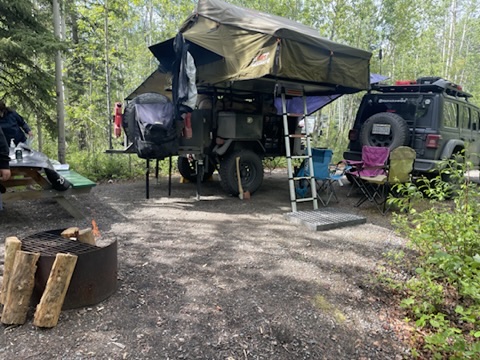
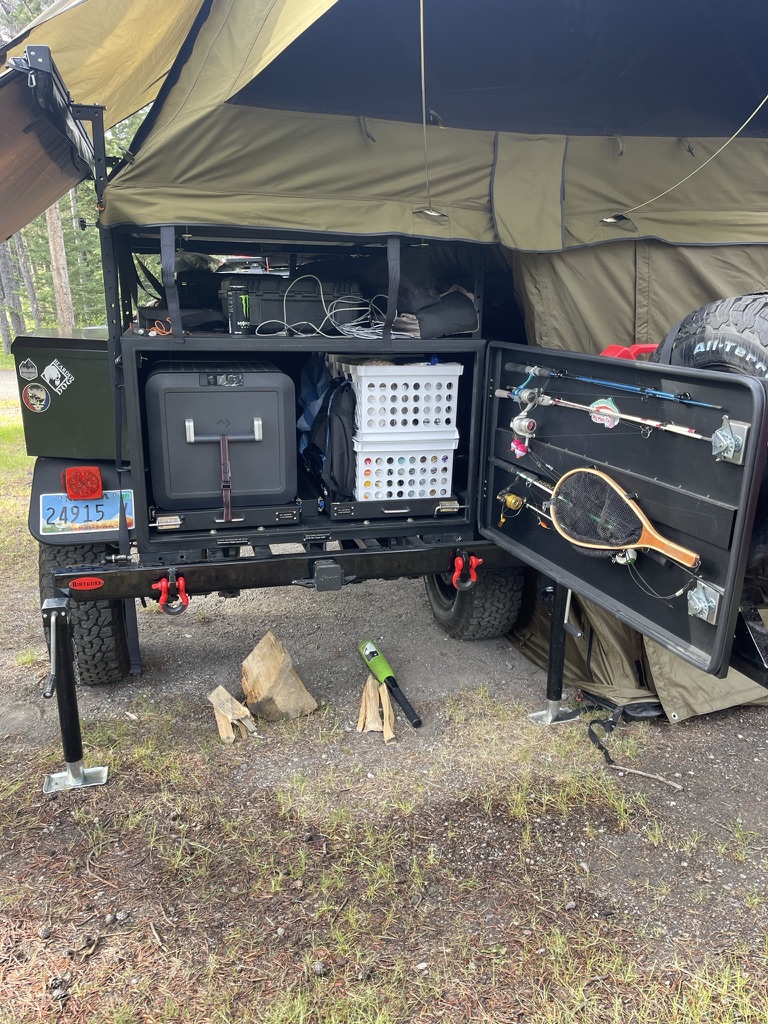
A Smittybilt chassis and a lot of weekends. It carries the tent, the kitchen, the water and the fuel, which is the whole argument for towing: the Jeep stays light and unloaded, and camp is already built when you stop.
- Build
- Smittybilt chassis, owner-built from there
- Sleeping
- Rooftop tent
- Shade
- Rhino-Rack Sunseeker awning
- Storage
- Aluminium boxes, lockable
- Fuel & gas
- Jerry can · propane bottle
- Spare
- Swing-out, matched to the Jeep
- Kitchen
- Slide-out galley
- Power
- 300 Ah + solar
Next up
The 7.3 project
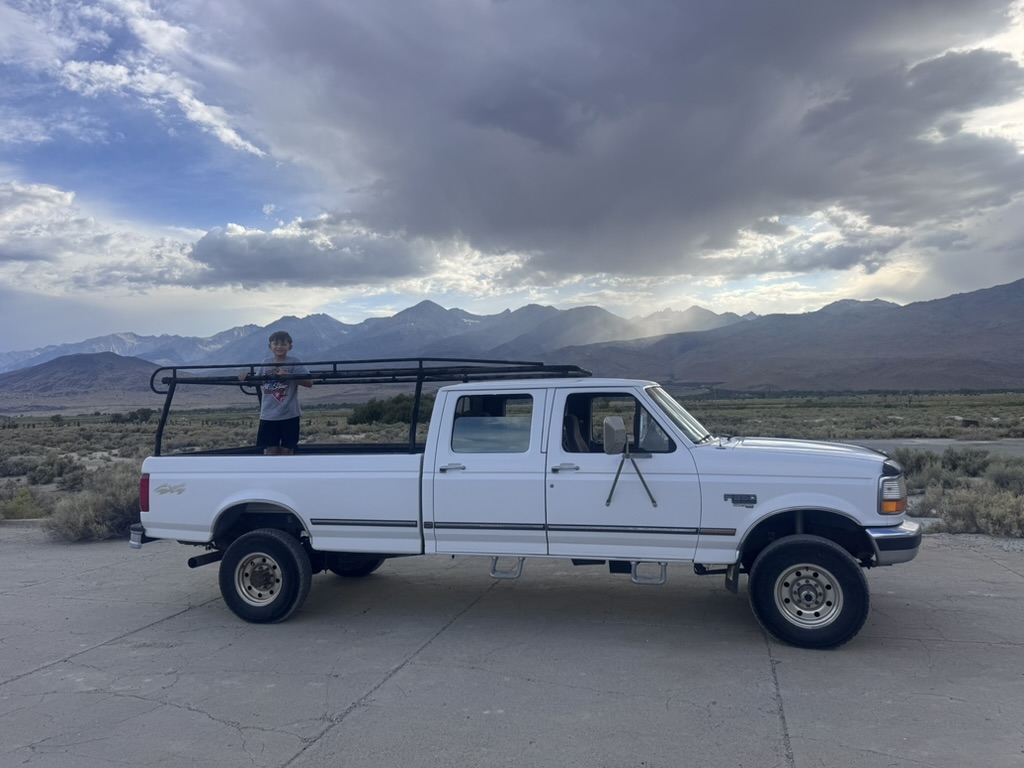
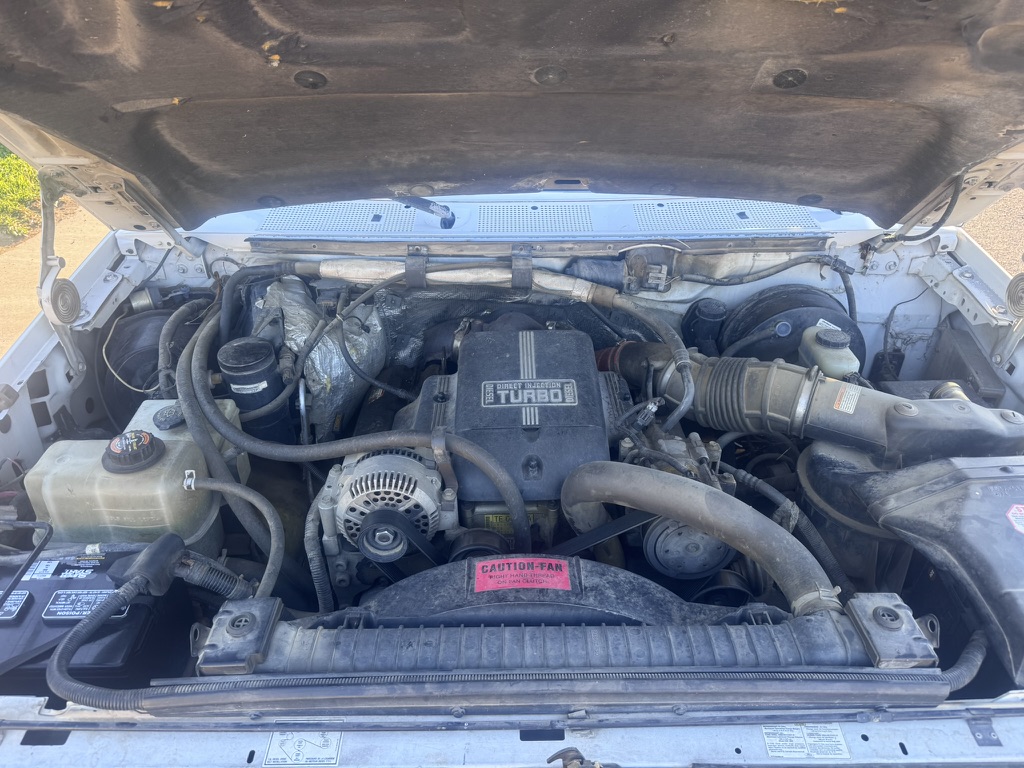
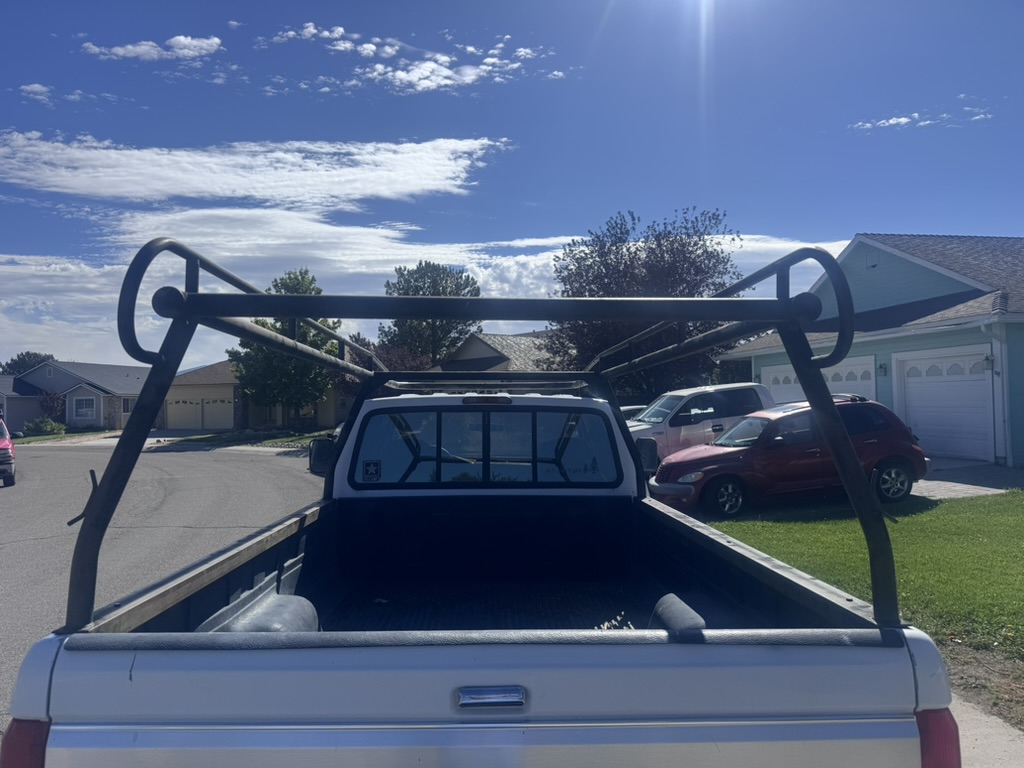
A 1996 F-350 XLT with the 7.3 Powerstroke — mechanical where the Jeep is electronic, and heavy where the Jeep is nimble. The build starts on the channel soon.
- Platform
- 1996 Ford F-350 XLT
- Engine
- 7.3 L Powerstroke turbodiesel
- Body
- OBS, the last of them
- Status
- In the shop
Equipment
The working list
Four boxes, one rule: if it has not been used in two seasons, it comes out.
Recovery
Ordered by how often it gets used, not by how it photographs.
Long-handled shovel
Used more than everything else combined
Traction boards ×2
Sand, mud, snow, and a levelling ramp at camp
Soft shackles ×2
Cannot become a projectile if a line lets go
Kinetic rope, 7/8 in
Only useful with a second vehicle
Winch + ground anchor
Trees on the Sierra side, nothing at all east of it
Tire deflators
Four tyres to 18 psi in under two minutes
Twin compressor
33 in tyre, 18→35 psi in about 90 seconds
Navigation & comms
Everything here works with no cell signal, because there is none.
Satellite messenger
Two-way text and an SOS that reaches somebody
Offline vector maps
Tiles cached before leaving pavement
Paper surface-management map
Land status, and it never runs out of battery
HAM radio
Vehicle-to-vehicle when running as a group
Compass
For when you need to trust something simple
Camp
Dispersed camping in dust and wind, not a campground.
60 L compressor fridge
Ends the ice problem permanently
19" Blackstone Griddle
Easy cooking without getting out a bunch of pans.
Two-burner stove
Wind screen matters more than burner count
9 gal water, split
Two tanks so one failure is not the whole trip
Kitchen Awning
Shade is the scarce resource out here
Trash system
Pack out yours and whatever was already there
Battleborn Batteries
Solar and AC System, 300 Ah for power.
Repair
Anything on this list has fixed something at least once.
Tire plug kit
The single most likely failure on any trip
Full-size matching spare
Not a donut, not a mismatched tread
Fluids: oil, coolant, ATF
Enough to get out, not to run indefinitely
Baling wire, zip ties, tape
Holds a skid plate to a frame rail
Basic socket and wrench set
Metric, and a breaker bar
Fuses and a test light
Cheap, tiny, and trip-saving
No affiliate links, no sponsored placements. Where a specific product matters it gets named in the video or the journal post, with what went wrong as well as what went right.
Before you buy
Gear questions
What gear do you actually need to start overlanding?
Recovery gear you know how to use, a way to air tyres back up, more water than you expect to drink, offline navigation, and a satellite messenger. Everything else — fridges, awnings, roof tents — makes the trip more comfortable but does not make it safer.
How much water should you carry for overlanding?
Plan on one gallon per person per day for drinking and cooking, then add a reserve day. On the dry side of the range in summer, where you will want to rinse dust off constantly, closer to a gallon and a half per person per day is realistic.
Is a roof top tent worth it?
It depends on how you travel. A roof top tent is fast to deploy and gets you off rocky ground, but it adds roughly 130 to 160 pounds at the highest point on the vehicle, hurts fuel economy, and has to be packed up every time you want to drive. For trips that move camp daily, a bed platform or a ground tent is often less work.